Previous Event
17 Nov, 2025
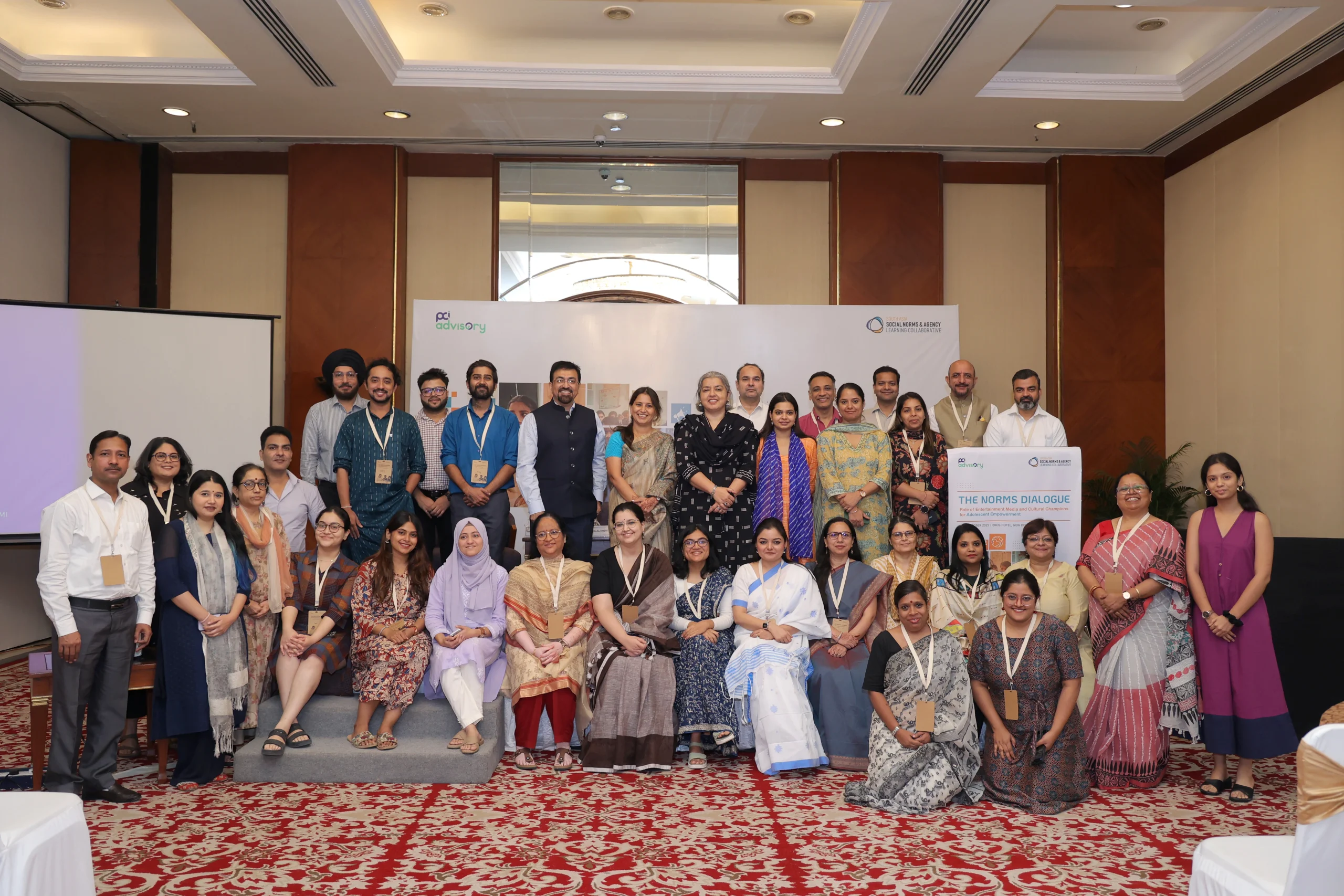
The Norms Dialogue – Role of Entertainment Media and Cultural Champions for Adolescent Empowerment
23 Jul, 2026
UNESCO’s World Youth Skills Day 2026 asks what it takes to equip every young person with the competencies needed for a shared future. While youth skilling conversations usually focus on skill gaps, digital literacy, and employability, less attention is paid to how social norms shape aspirations and opportunities long before training even begins. As economies shift toward AI-driven, digital, and green sectors, closing skill gaps alone isn’t enough — deep-rooted gender norms continue to steer young people toward “appropriate” gender-typed careers, limiting women’s entry into high-growth fields like STEM and the green economy.
As economies transition towards AI-enabled, digital, and green sectors, equitable access to future-ready skills requires more than expanding training opportunities. Restrictive gender norms continue to channel young women and men into stereotypical occupations, limiting participation in high-growth sectors. In India, significant investments have been made through the Skill India Programme of ₹8,800 crore, however, the skilling ecosystem should improve equitable access to skilling opportunities and address the social barriers that shape participation and outcomes.
Purpose
SA-SNALC hosted ‘Norms Shifting as a Pathway for Equitable Skilling’ to examine how gender norms shape skilling and employment pathways, especially in emerging sectors, and to explore strategies for gender-responsive skilling ecosystems. The panel of experts shared evidence and field experience to identify ways of shifting restrictive norms and building more inclusive skilling systems. The panel discussion concluded with a presentation of a proposed Social Norms Framework for equitable skilling by SA-SNALC.
Key Discussion Areas
Our experts for the webinar:
For more insights, read the blog here.
17 Nov, 2025
The Norms Dialogue – Role of Entertainment Media and Cultural Champions for Adolescent Empowerment